What is Electricity?
Electricity
Electricity is a form of energy created when electric charges move from one place to another.
Imagine charges flowing through a wire like water in a pipe, lighting bulbs and powering phones.
Electric Charge
Electric Charge
Matter carries either a positive (+) or negative (−) electric charge.
Key Characteristics:
- Positive charge (+) is often shown in red.
- Negative charge (−) is often shown in blue.
- Like charges repel each other.
- Opposite charges attract.
Try it:
Drag the + and − labels onto the red and blue spheres to check the attract–repel rule.
Electric Current
Electric Current (I)
Electric current is the rate at which electric charge passes a point each second.
Key Characteristics:
- Symbol: I
- Flow per second: \(I = \frac{Q}{t}\)
- Unit: ampere (A)
Example:
6 C of charge in 3 s gives \(I = 2\text{ A}\).
Current Over Time
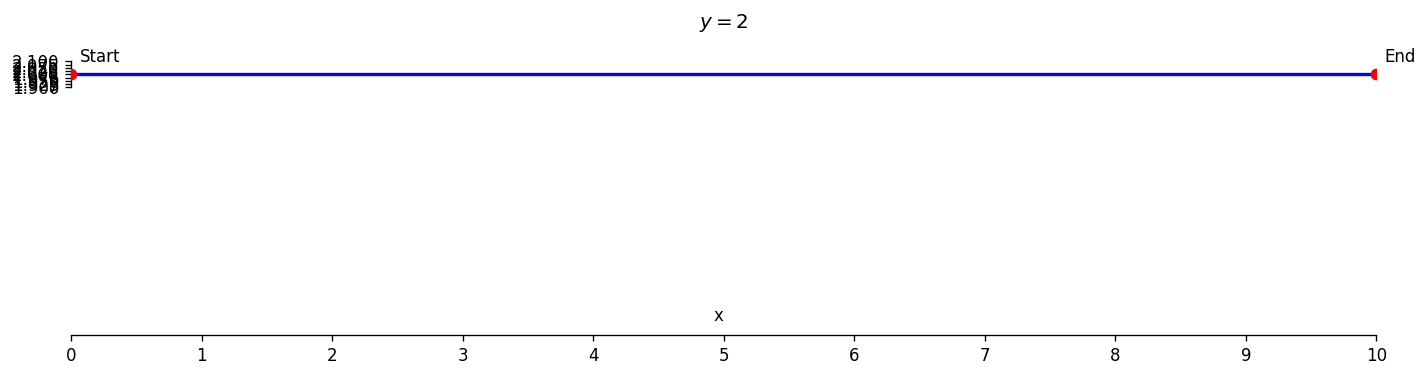
Reading a Constant Current
On a current-time graph, a horizontal line means the current stays exactly the same every second.
Key Points:
- Flat line = constant current.
- Slope zero shows no change over time.
- Pick any point; current value is identical.