Feel the Push

Everyday Force Example
Imagine pushing a loaded shopping cart.
The harder you push, the faster it moves; that push is a force.
Key Points:
- Stronger push → bigger speed change
- Heavier cart needs bigger push
- Daily pushes help us feel force
Second Law: Words
Newton’s Second Law
Acceleration of an object is proportional to the net force applied and inversely proportional to its mass. More force → more acceleration; more mass → less acceleration for the same force.
The Famous Formula
\[F = m \times a\]
Newton squeezed the whole Second Law into this single line.
Variable Definitions
F
Force (newton, N)
m
Mass (kilogram, kg)
a
Acceleration (m/s2)
Applications
Pushing a cart
More force makes the cart speed up faster.
Light vs heavy ball
With the same push, a lighter ball gains greater acceleration.
Force–Acceleration Graph
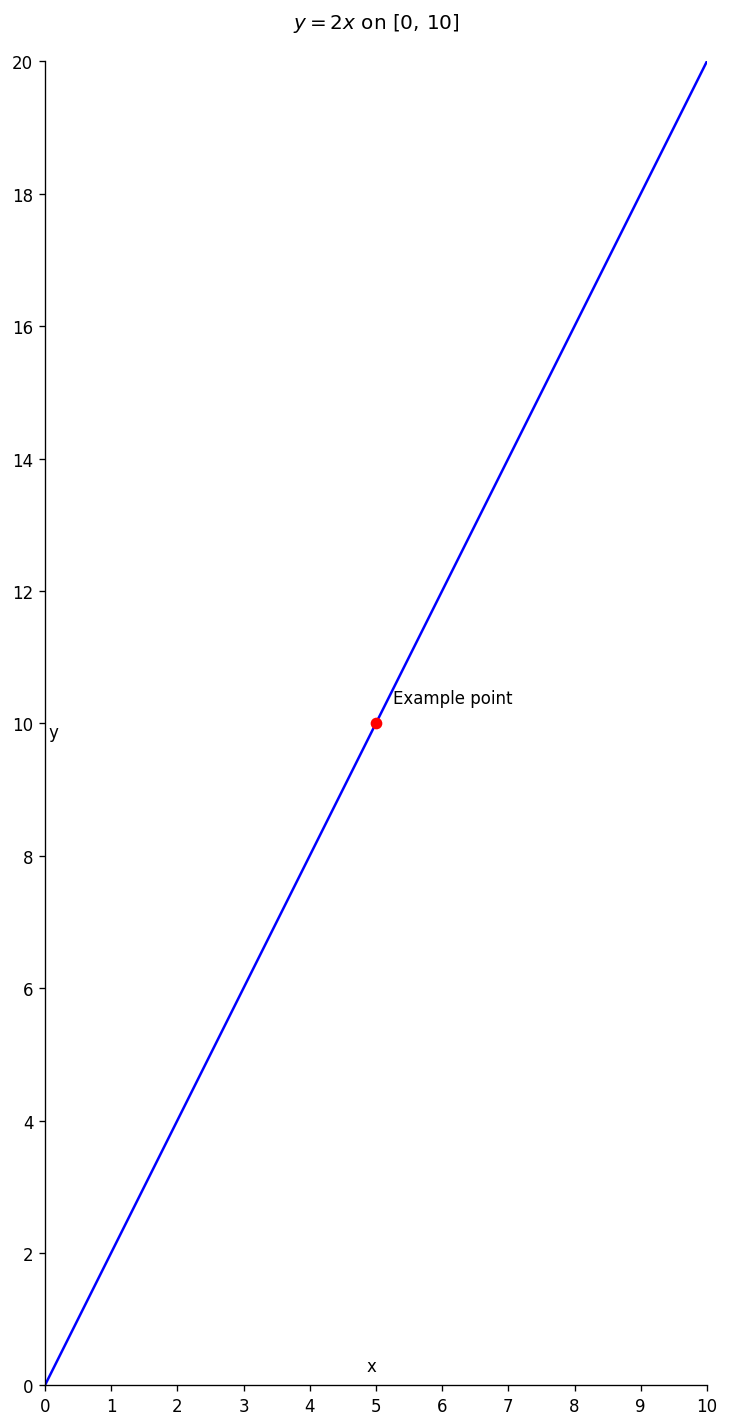
Graph for a 2 kg cart showing direct force–acceleration link.
Straight Line Shows Direct Proportionality
Consider a 2 kg cart pushed with varying forces.
On the Force (N) vs Acceleration (m/s²) graph, points lie on a straight line through the origin.
Key Points:
- Line through origin ⇒ F ∝ a
- Slope of line = mass = 2 kg
- Each point follows \(F = m a\)